A domain name search or company name registry check is not a trademark search. Securing a trademark requires testing the distinctiveness spectrum.
1. The Trademark Distinctiveness Spectrum
Trademarks are categorized along a spectrum of distinctiveness. The stronger and more unique a mark is, the easier it is to register and defend. The spectrum includes:
- Invented/Fanciful Marks: Coined words (e.g., Kodak, Rolex) that have no pre-existing dictionary meaning. These are the strongest marks.
- Arbitrary Marks: Real words used in a completely unrelated context (e.g., Apple for computers). Highly protectable.
- Suggestive Marks: Words that hint at a characteristic without directly describing it (e.g., Netflix for streaming).
- Descriptive Marks: Words that describe the product's quality, quantity, or purpose (e.g., Sweet for candy). These are generally rejected under Section 9 unless they have acquired distinctiveness through long-term commercial use.
- Generic Terms: Common dictionary terms for the product itself (e.g., Car for automobiles). These cannot be registered.
2. The Availability Search Process
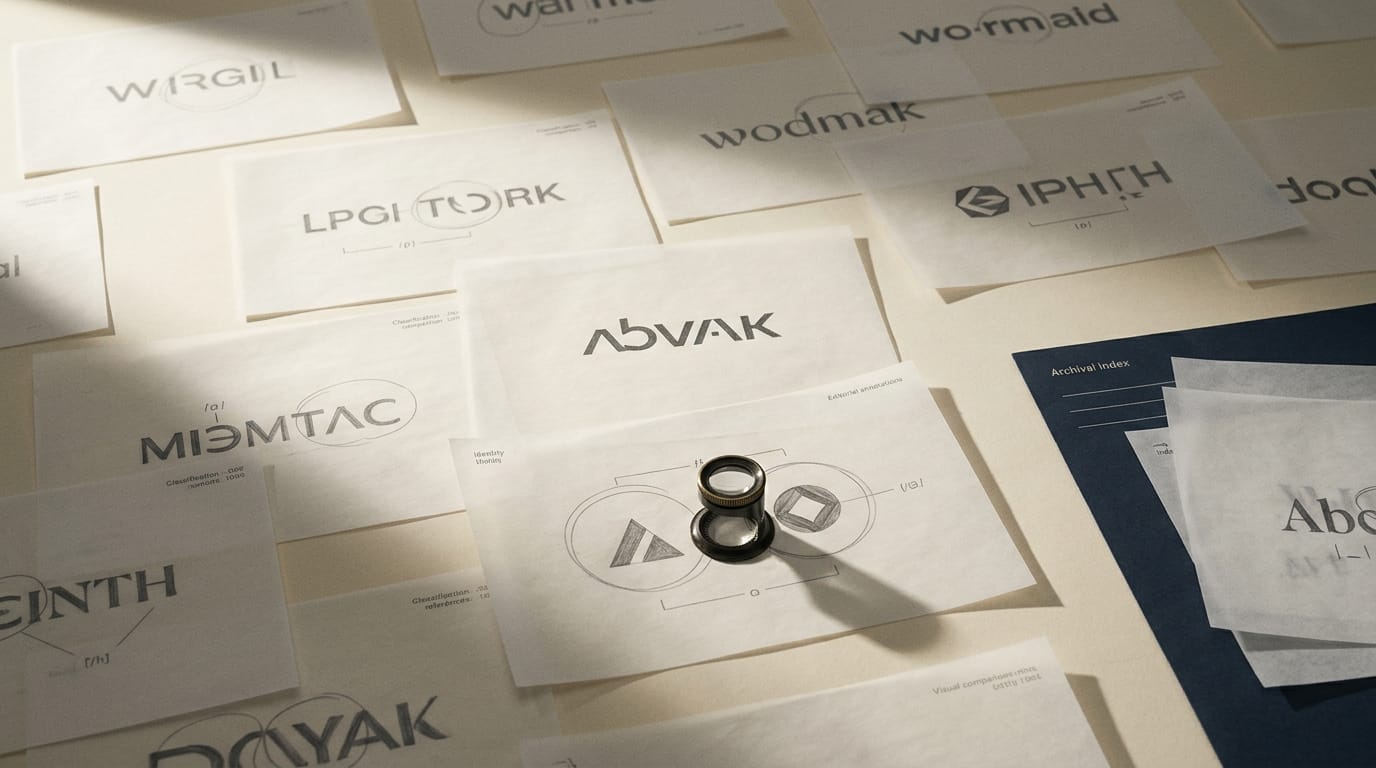
A comprehensive search utilizes the official IP India public search database. It checks for identical spellings, sound-alike phonetic queries (e.g., 'Phonex' vs 'Phoenix'), and conceptual matches within Nice Classification classes.
It is critical to analyze potential phonetic conflicts early to avoid examinations delays and oppositions from established brands.
Frequently Asked Questions
Q: Is a domain name registration the same as a trademark?
No. Registering a domain name or a company name through the MCA does not grant you proprietary trademark rights. A trademark must be registered separately under the Trade Marks Act.